Claudia Cardinale: A Timeless Icon of World Cinema
Claudia Cardinale stands as one of the brightest stars in the history of global cinema. Born on April 15, 1938, in Tunis, Tunisia, to Sicilian parents, Cardinale rose to fame during the 1960s and 1970s, embodying the glamour and strength of Italian film while also leaving a lasting impression on Hollywood. Her radiant beauty, natural charisma, and extraordinary range as an actress made her not just a European film legend but also an international symbol of grace and artistry.

On September 23, 2025, Claudia Cardinale passed away at the age of 87 in Nemours, France, surrounded by her children. Her death marked the end of an era, leaving behind a profound cinematic heritage that continues to inspire filmmakers, actors, and audiences worldwide.
This tribute to Claudia Cardinale explores her life, career, and the remarkable legacy she left behind as a timeless cultural icon.
Early Life and Origins
Claudia Cardinale’s early years in Tunisia shaped her unique identity. Growing up in a multicultural society, she was fluent in French, Arabic, and Italian, although she initially faced challenges with the Italian language—a fact that later gave her performances distinctive authenticity. She first gained attention in 1957 when she won a beauty contest in Tunisia, which brought her to the Venice Film Festival. What started as a simple appearance in a pageant quickly became the turning point of her life, ultimately propelling her toward stardom.
Breakthrough in Italian Cinema
Cardinale made her film debut in Italian cinema and soon found herself working with some of the greatest directors of all time. Her natural screen presence caught the eye of legendary filmmakers such as Luchino Visconti, Federico Fellini, and Sergio Leone.
Some of her most memorable performances include:
Rocco and His Brothers (1960) – Directed by Luchino Visconti, this film gave Cardinale one of her earliest substantial roles and established her as a rising star.
Il Gattopardo (The Leopard, 1963) – Another Visconti masterpiece, where she played opposite Burt Lancaster and Alain Delon. Cardinale’s elegance and nuanced performance embodied the fading aristocracy of Sicily.
8½ (1963) – Acting under Fellini’s direction, she starred alongside Marcello Mastroianni in this groundbreaking film that redefined cinema with its blend of dreams and reality.
Once Upon a Time in the West (1968) – Perhaps her most iconic role on the international stage, as Jill McBain in Sergio Leone’s epic western. Cardinale portrayed a strong, complex woman navigating violence and survival in the new American frontier.
These films not only made her a celebrated actress in Italy but also introduced her to a global audience.
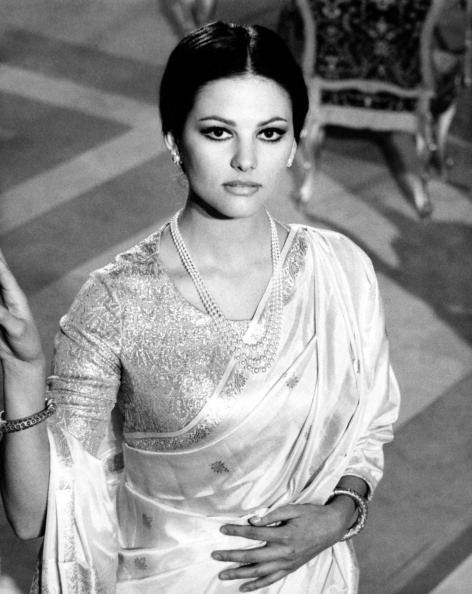
Success in Hollywood and Beyond
During the 1960s and 70s, Claudia Cardinale also worked in Hollywood and other international cinema industries. She starred alongside some of the world’s most popular leading men, including Charlton Heston in “The Greatest Story Ever Told,” David Niven, Rock Hudson, and Henry Fonda. Unlike many of her contemporaries, she maintained a balance between European art cinema and American productions, showcasing her versatility.
Her Hollywood performances highlighted her ability to adapt to different genres—from epic dramas to westerns, comedies, and period films. Yet she never lost her connection to Italian cinema, which remained the heart of her career.
Screen Persona and Legacy
Claudia Cardinale was more than just a beautiful face on the screen. What set her apart was her strength, intelligence, and refusal to be typecast. At a time when many female actresses were reduced to ornamental roles, Cardinale brought dignity and depth to her characters.
She often portrayed women who were resilient, independent, and aware of their place in a changing world. Her performance in “Once Upon a Time in the West” remains groundbreaking because it was rare in the Western genre to see a woman lead the narrative with such authority.
Her off-screen life also mirrored this strength. Cardinale was deeply committed to humanitarian causes, particularly women’s rights and social advocacy. In later years, she worked with UNESCO and other organizations, becoming not just a symbol of cinematic beauty but also an ambassador for global justice and equality.
Awards and Recognition
Throughout her career, Claudia Cardinale received numerous accolades and honors. Some of her most significant achievements include:
Winning awards at prestigious film festivals, including Venice and Berlin.
Being recognized with lifetime achievement awards in Italy, France, and Hollywood.
Honored at international retrospectives celebrating her impact on European cinema.
Named a UNESCO Goodwill Ambassador in recognition of her humanitarian efforts.
Her awards reflect not only her cinematic contributions but also her broader impact as a cultural figure.
Influence on Future Generations
Claudia Cardinale’s influence continues to be felt in film and fashion. Her timeless sense of style, often captured in glamorous photographs during the 1960s, made her an international fashion icon. For younger directors and artists, her work remains a masterclass in elegance, authenticity, and emotion.
Her films still inspire new audiences, particularly cinephiles who admire the golden era of European cinema. Directors studying the works of Visconti, Fellini, or Leone cannot ignore the pivotal contributions of Cardinale.
Personal Life and Strength
Despite her global fame, Claudia Cardinale maintained a sense of privacy and dignity. Unlike many of her contemporaries, she was known to avoid the excessive glamour and scandals of the film industry. She focused on her work, her family, and her principles.
One of her most admirable qualities is how she transformed early personal challenges into strength. She faced obstacles in her personal life, yet she emerged with resilience that reflected in the characters she portrayed on the big screen.
Final Years and Passing
Even in her later years, Claudia Cardinale remained a revered presence at film festivals and retrospectives, where cinephiles gathered to celebrate her legacy. She carried herself with the same dignity and elegance that defined her stardom decades earlier.



Claudia Cardinale will forever be remembered as the timeless face of grace and cinema.